Decorative stone and crushed stone can both provide durable, low-maintenance solutions, but they serve different purposes. This comparison explains the differences in appearance, shape, compaction, drainage, stability and common applications to help contractors, property owners and landscape professionals select the right aggregate for the job.
| Attribute | Decorative Stone | Crushed Stone |
|---|---|---|
| Primary Purpose | Selected primarily for appearance, landscape enhancement and use as a visible finished surface. | Selected primarily for structural support, compaction, drainage and construction performance. |
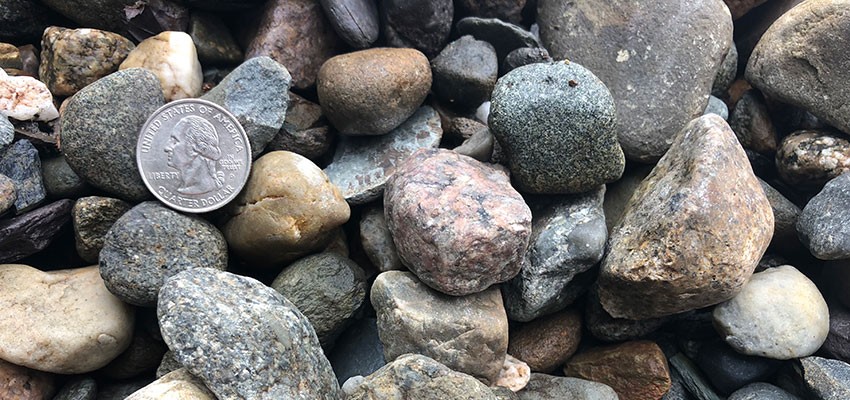
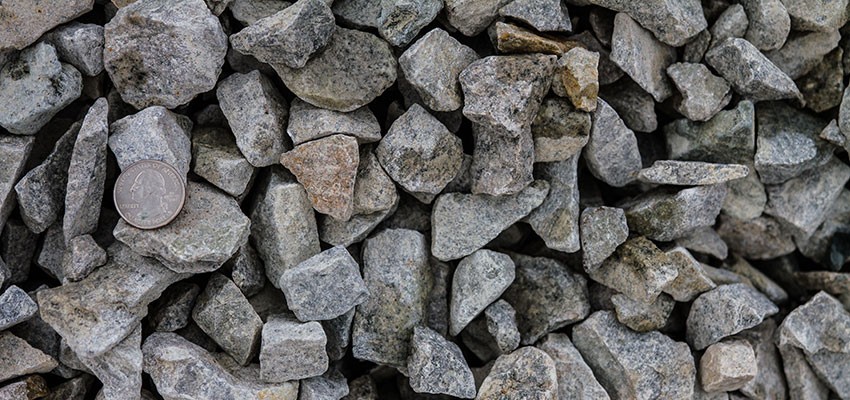
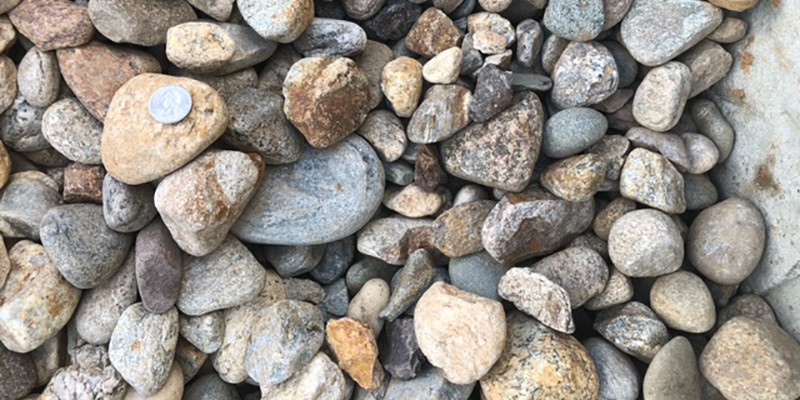
| Typical Shape | May be rounded, smooth, naturally irregular or specially processed, depending on the particular material. | Typically angular, with fractured faces and edges created during the crushing process. |
| Surface Texture | Often smooth, weathered or visually distinctive, with texture playing an important role in product selection. | Generally rough and coarse, helping individual pieces grip and interlock with one another. |
| Color and Appearance | Available in colors and blends chosen to complement buildings, planting beds, hardscapes and other landscape features. | Usually valued more for performance than appearance, although color varies according to the source stone. |
| Size Consistency | Commonly screened into defined sizes to create a clean and visually consistent finished surface. | Produced in specified aggregate sizes or gradations based on the intended construction application. |
| Compaction | Rounded decorative stone generally does not compact tightly and may remain somewhat movable. | Angular pieces can interlock and compact effectively. Materials that include fines generally compact more tightly than washed stone. |
| Drainage | Provides good drainage when the stone is clean and contains little or no fine material. | Drainage performance depends on the gradation. Clean crushed stone drains readily, while dense-graded material is designed primarily for compaction. |
| Stability Underfoot | Rounded stone may shift, roll or migrate, especially in frequently traveled areas. | Angular stone usually provides greater stability because the fractured pieces lock together. |
| Common Applications | Landscape beds, borders, walkways, drainage accents, water features, exposed ground cover and decorative installations. | Driveway bases, road bases, building pads, drainage systems, pipe bedding, trench backfill and other construction applications. |
| Finished Appearance | Intended to remain visible and contribute color, texture and visual definition to the completed project. | Often installed beneath another surface or used where dependable performance is more important than decorative appearance. |
| Maintenance | May require edging, occasional raking, replenishment or redistribution to maintain a uniform appearance. | Properly installed and compacted material generally remains stable, although heavily used surfaces may occasionally require additional stone. |
| Typical Installation | Commonly installed as a visible surface layer over prepared soil, compacted base material or landscape fabric. | Commonly installed in prepared lifts and compacted to achieve the required depth, density and structural performance. |
| Use With Geotextile Fabric | Fabric may help separate the stone from soil and reduce mixing or settlement in landscape applications. | Geotextile may be used to separate aggregate from soft subgrade, improve stability and reduce contamination between materials. |
| Primary Selection Factors | Color, size, texture, shape, architectural compatibility and the desired finished appearance. | Gradation, compaction, drainage, load requirements, installation specifications and intended use. |
Choose decorative stone when the finished appearance is a major part of the project. It is well suited to visible landscape areas where color, texture and long-term curb appeal are important.
Choose crushed stone when the project requires a dependable aggregate for compaction, drainage, structural support or preparation beneath pavement and other finished surfaces.
Stone products with similar dimensions can perform very differently. Shape, gradation, fines, subgrade conditions, installation depth and compaction requirements should all be considered before ordering material.